
Our dental implant specialist in Taringa provides focused care for replacing missing teeth with stable, long-term solutions. Foundation Dental delivers dental implants for dentists who need a reliable referral partner and for patients seeking lasting tooth replacement.
Missing teeth affect chewing, speech, and confidence. Delayed treatment can lead to bone loss, which limits implant options and complicates care. Early implant planning improves outcomes and supports long-term stability. Our team uses a structured approach to implant dentistry, with clear communication and defined roles between the specialist and the referring dentist.
| Monday - Friday: | 9.00 - 5.00 |
Dental implant treatment requires coordination between general dentists and specialists to achieve stable, long-term outcomes. Foundation Dental supports this process by providing structured implant care for referring dentists while ensuring patients receive clear guidance and appropriate treatment at every stage.
Foundation Dental works as a referral partner for implant cases. The focus is on diagnosis, treatment planning, and implant placement. Once treatment is complete, the patient returns to the referring dentist for the prosthetic stages and ongoing care. This approach protects dentist-patient relationship while ensuring the patient receives the right level of care.
Patients may seek dental implants after tooth loss or when a tooth cannot be saved. An implant replaces the root of a tooth and supports a crown or bridge. This restores function and improves oral health. A dental implant consultation helps determine if treatment is suitable.
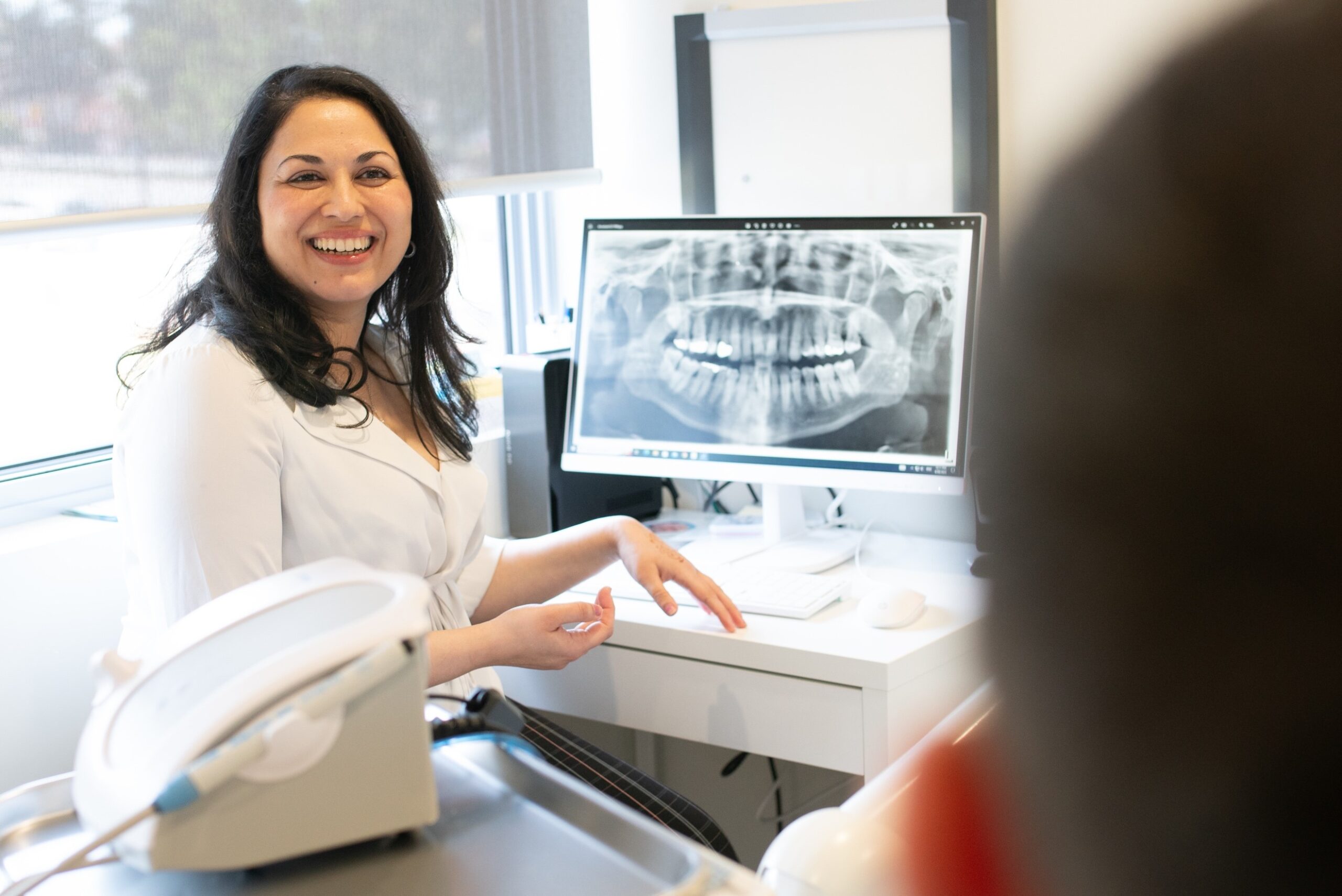
A dental implant specialist focuses on replacing missing teeth using implant-supported solutions. Dental implants are small titanium fixtures placed in the tooth socket. They act as artificial tooth roots.
The specialist handles diagnosis, planning, and surgical placement. This ensures correct positioning and long-term stability. The restoration phase, such as placing a crown, may be completed in coordination with the referring dentist.
This division of care allows each provider to focus on their area of expertise while maintaining continuity for the patient.
Early assessment and treatment matter. Referral timing plays a key role in treatment success, allowing for better planning, reducing complications, and thus improving the likelihood of a stable result. Ideally, a referral should be indicated as soon as a tooth is identified for removal or as soon as practical after its removal.
After tooth loss, bone begins to resorb and remodel. This can limit implant options and increase treatment complexity. For dentists, early referral ensures the patient receives appropriate care at the right time.
Dentists may consider referral when:
As a dental implant specialist in Taringa, we provide structured planning and clear communication. This supports both the patient and the referring dentist.
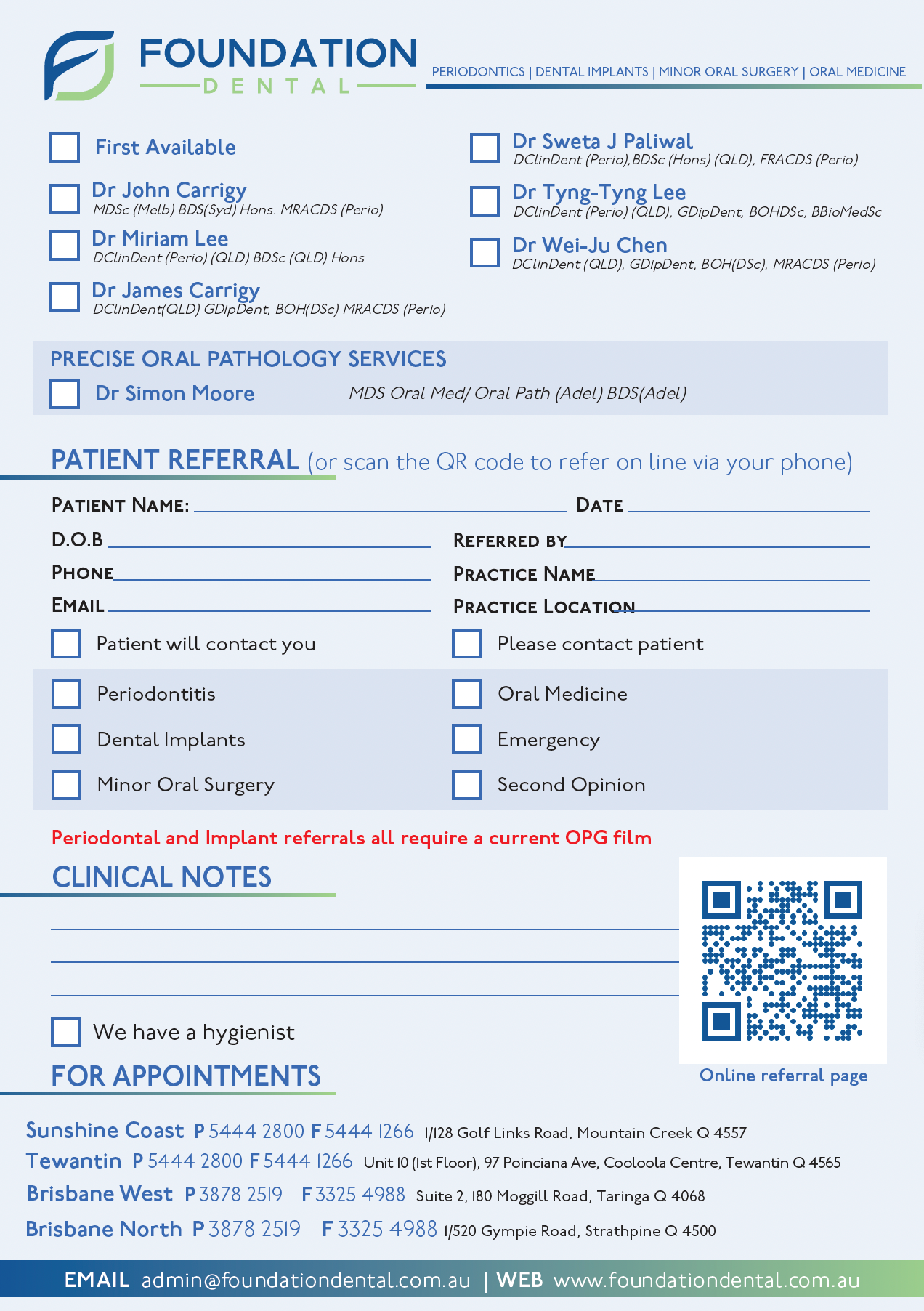
Referring a patient to Foundation Dental is simple and structured to support both the clinician and the patient at every stage. Referrals are submitted through a secure online form, with all information handled in line with Australian data security standards.
Our team works closely with general dentists through a shared-care approach. The focus is on clear diagnosis, precise implant planning, and predictable treatment outcomes, while ensuring patients are returned to their dentist’s care after the implant phase.
You can refer patients to Foundation Dental for:
Need a reliable experienced partner for dental implant cases in Taringa? We make referrals easy and predictable.
Refer your patient today and ensure your patient receives structured, specialist-led implant care with full clinical transparency.
Dental implant treatment follows a clear sequence. Each stage builds on the previous step to support a stable result.
The process begins with a detailed assessment. This includes reviewing medical and dental history, examining the mouth, and taking imaging where needed. The goal is to determine suitability for implants.
A clear plan is developed based on tissues available, tooth position, and overall oral health. This step ensures the implant is placed in the correct position for function and aesthetics.
The implant is placed into the tooth socket position during a controlled procedure. This forms the foundation for the future tooth replacement.
The implant integrates with the socket tissues over time. This process is called osseointegration. It provides strength and stability.
After healing, the implant supports a crown, bridge, or denture attachment. This completes the prosthetic stage and returns function to the patient.
Dental implants can address a range of issues. Each case is assessed individually to ensure suitability.
Each treatment plan aims to restore function while supporting long-term oral health.
Some cases require a higher level of planning and care. At Foundation Dental with 30 years of experience, our advanced implant dentistry focuses on managing these situations with a structured approach.
This may include cases with reduced tissue, complex bite extractions, or multiple missing teeth. Careful planning ensures that implant placement supports both function and long-term stability. The goal remains the same, which is to obtain a predictable and lasting outcome.
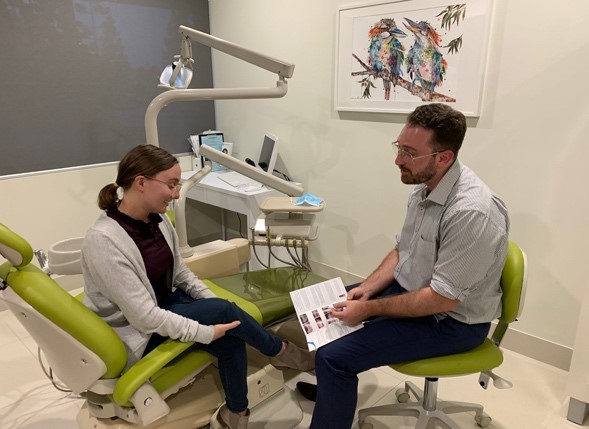
Specialist-led implant care offers clear advantages for both dentists and patients. Each benefit supports long-term outcomes.
These benefits contribute to predictable results and patient satisfaction.
Choosing the right provider for dental implants affects both clinical outcomes and referral confidence. Foundation Dental delivers structured implant care with a focus on precision, clear communication, and long-term stability for both patients and referring dentists.
Foundation Dental is a team of registered dental specialists with a broad deep range of experience in implant dentistry, providing care from its Brisbane clinics in the CBD, Strathpine, and Taringa. Each dental implant case is carefully assessed and planned, with a clear focus on achieving a stable and functional result that supports long-term oral health.
A key strength of the practice is its collaborative approach with referring dentists. Foundation Dental works closely with general practitioners to align treatment planning and maintain continuity of care. Implant placement is completed with specialist input, and patients are returned to their referring dentist for final restoration and ongoing management. This shared-care model supports strong professional relationships and consistent patient outcomes.
Patient care is delivered with a clear and supportive approach. We take the time to explain each stage of the dental implant procedure, helping patients understand their options and feel confident in their treatment. This reduces uncertainty and supports better engagement throughout the process.
Foundation Dental is an independent, family-owned practice. Our team focuses fully on patient outcomes and clinical decision-making without external influence. The goal is always to provide care that supports long-term function, comfort, and oral health.
We also maintain a strong commitment to ongoing education and professional development. Treatment is delivered using current techniques, supported by modern facilities and strict infection control standards. This ensures a consistent and reliable standard of care across all implant cases.
For referring dentists, this means working with a specialist dental implant team that values communication, respects your role in ongoing care, and delivers predictable outcomes for implant treatment.
Book Or Refer To A Dental Implant Specialist Today
Successful implant outcomes start with early referral and careful planning. Take the next step to restore function, replace missing teeth, and support long-term oral health. Foundation Dental provides a clear and reliable pathway for both referrals and consultations.
For dentists, refer a patient with confidence and receive consistent communication throughout assessment, planning, and implant placement.
For patients, book a consultation to assess suitability for dental implants and explore stable, long-term tooth replacement options.
A dental implant replaces a missing tooth by restoring both the root and the crown. A titanium post is placed into the tooth socket to act as the tooth root, and a ceramic crown is fitted on top to restore function and appearance. Foundation Dental uses high-quality, clinically proven materials known for their durability and compatibility with the body.
A detailed consultation is required to assess suitability. This includes reviewing your dental history and examining the current condition of your teeth and tissues. Many patients are referred by their general dentist, and treatment planning is often completed in collaboration to ensure the best outcome.
Dental implants are designed to provide long-term support. The titanium component integrates with the socket tissue and can remain in place for many years. The crown or bridge attached to the implant is subject to normal wear and may require maintenance or replacement over time, similar to other dental restorations.
Dental implants can help patients with single or multiple missing teeth. They are often used after trauma, sporting injuries, or when a tooth cannot be saved with conventional treatment. Implants can also improve the fit and stability of dentures, and in some cases, replace them entirely. They also help restore chewing ability by replacing missing back teeth.
Dental implants are usually placed under local anaesthesia, similar to a standard dental procedure. The implant is positioned into the socket where the tooth root once sat. The process is controlled and precise, and many patients are able to return home shortly after the appointment.
Planning and assessment may take one or two consultations. After placement, the implant requires a healing period of around 6 to 12 weeks to integrate with the tissues. Once healed, the final crown or bridge is completed over several weeks in coordination with your general dentist.
Healing varies by case. The integration phase allows the implant to bond with the socket tissues.
The procedure is managed with appropriate care to keep patients comfortable.
This is the stage where the implant is fitted with an abutment and a crown or prosthetic to complete the tooth replacement.


